Outdoor Behavioral Health Programs
Not boot camps. Not punishment. Not a last resort. Intensive, clinically sophisticated therapeutic programs that happen to take place outside — and the research on their effectiveness is substantial.
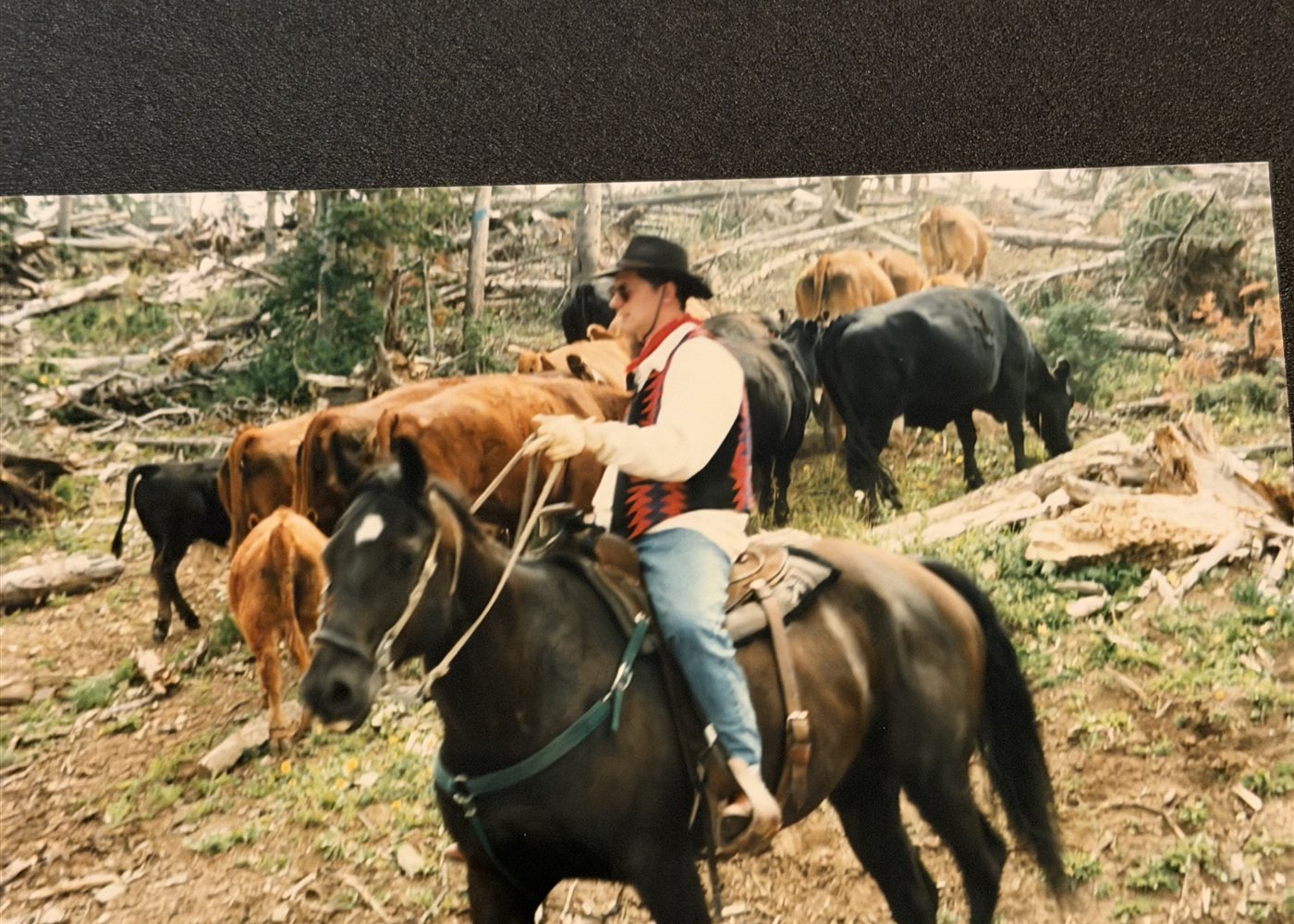
What Makes Outdoor Behavioral Health Different
Aside from a locked hospital unit, Outdoor Behavioral Health programs offer the highest level of oversight and therapeutic intensity available. That intensity is the point.
By removing individuals from the environment where their struggles have taken root — the bedroom, the school, the social dynamics, the screens — Outdoor Behavioral Health programs create the conditions for real therapeutic work to happen. There are no distractions. There is nowhere to hide. And there is a clinical team present and engaged every day.
Participants live and work in small groups in an outdoor setting, guided by trained field staff and supervised by licensed clinicians. Treatment includes individual therapy, group therapy, therapeutic reading and writing assignments, regular family therapy sessions, and weekly contact between parents and the program therapist. Most programs last 8–12 weeks, average 11 weeks.
Are These Programs Safe?
This is one of the most important questions a family can ask. The troubled teen industry has a complicated history, and families deserve a straight answer.
Outdoor Behavioral Health programs that Dr. Cohen refers to are accredited by independent governing bodies. Beyond accreditation, Dr. Cohen has personally visited programs, observed group sessions, met with clinical staff, and spoken with participants. He does not refer to programs he has not vetted. He does not accept referral fees from any program.
Fortunately, Dr. Cohen has never worked with a family that reported they suffered at the hands of an abuser at the program they attended.
Data collected over many years and thousands of participants consistently shows that accredited Outdoor Behavioral Health (OBH) programs are safe and effective.
What Comes After?
For some families, one Outdoor Behavioral Health placement is sufficient. Dr. Cohen finds this to be the exception rather than the rule. More often, an Outdoor Behavioral Health program is the first step in a longer journey — preparing individuals for the next phase of treatment.
It is commonly understood that individuals who utilize these approaches often benefit from attending more than one program. Examples might include an Outdoor Behavioral Health program (8–10 weeks) followed by more extensive treatment at a Residential Treatment Center or Therapeutic Boarding School. Dr. Cohen remains involved through that transition.